Everyday Mental Health Tips: Practical Ways to Manage Stress and Fear
- By: Stan Popovich
- /
What Are Evidence-Based Therapies for Anxiety and Fear?
Evidence-based therapies can help people manage anxiety, fear, and related challenges. Different approaches use different strategies to help people understand their thoughts, emotions, and behaviors and respond to them in healthier ways. Examples include Acceptance and Commitment Therapy (ACT), Cognitive Behavioral Therapy (CBT), and other psychological treatments. The most appropriate approach can vary depending on the person and their individual needs, and professional guidance may be helpful when symptoms are severe or interfere with daily life.
If you’re looking for practical ways to manage ongoing fear and anxiety, explore how to manage persistent fear and anxiety.
What Is Evidence-Based Therapy?
EBT refers to psychological treatments that are supported by scientific research showing they work. These therapies have been tested in studies and shown to help people with a variety of mental health conditions. Evidence-based therapy combines research, the therapist’s experience, and the client’s values and preferences. As a result, it is widely used to treat conditions such as anxiety, depression, trauma, and obsessive-compulsive disorder.
EBT also focuses on understanding the patterns that keep problems going and using strategies to address them. It emphasizes practical skill-building and regular practice. Clients learn tools such as changing unhelpful thoughts, gradually facing fears, tolerating uncertainty, managing emotions, and responding differently to stress. These skills are practiced both in therapy and in everyday life, while progress is tracked through improvements in symptoms, daily functioning, and overall quality of life.
According to the National Institute of Mental Health (NIMH), psychotherapy can use different approaches to help people identify and change troubling emotions, thoughts, and behaviors, with treatment often tailored to the individual and the condition being addressed.
What Are the Different Types of Evidence-Based Therapy?
Several evidence-based therapies have been extensively studied and shown to be effective for certain mental health concerns. Each approach offers different strategies and tools, allowing treatment to be tailored to a person’s individual needs and goals.
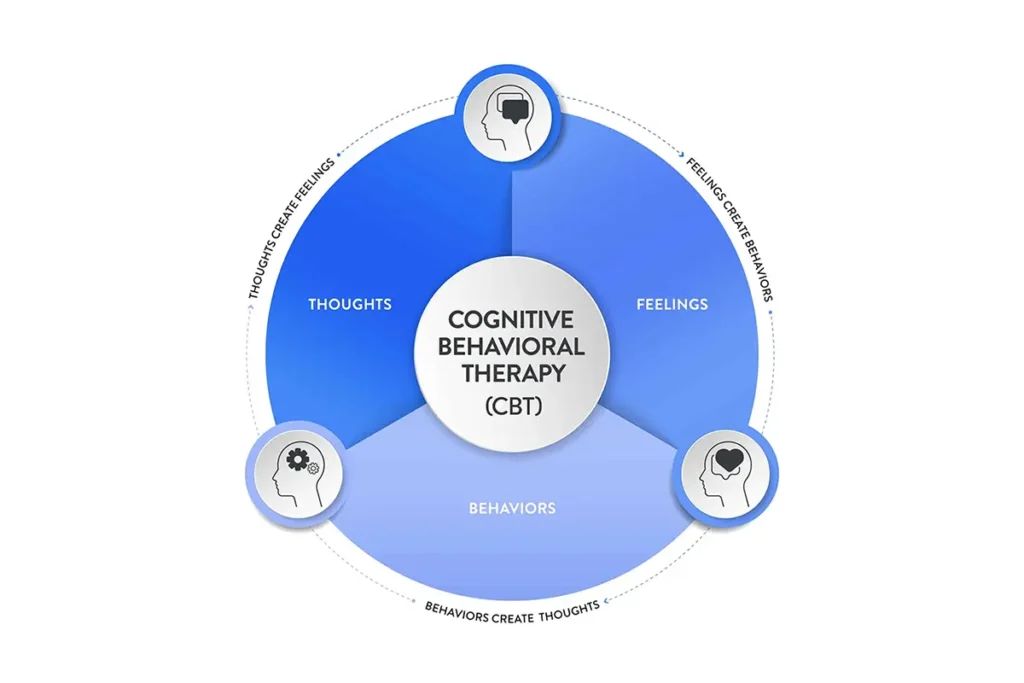
1. Cognitive Behavioral Therapy (CBT) – Helps clients spot and change unhelpful thoughts and behaviors. CBT shows how thoughts, feelings, and actions are connected and teaches practical ways to reduce stress and improve daily life.
2. Exposure and Response Prevention (ERP) – The main treatment for OCD and related anxiety. ERP gradually exposes clients to feared situations or thoughts while helping them resist compulsive behaviors, retraining the brain to handle anxiety and reduce fear over time.
3. Acceptance and Commitment Therapy (ACT) – Focuses on accepting difficult thoughts and feelings, identifying personal values, and taking action that matches those values. ACT helps people cope with discomfort while living a meaningful life.
4. Dialectical Behavior Therapy (DBT) – Teaches skills to manage strong emotions, tolerate stress, stay mindful, and improve relationships by balancing acceptance and change. Originally developed for people with intense emotional ups and downs, DBT provides practical tools to handle difficult situations.
What Is Cognitive Behavioral Therapy (CBT)?
Cognitive Behavioral Therapy (CBT) is a widely used, evidence-based form of talk therapy designed to help individuals manage mental health challenges such as anxiety, depression, and OCD. At its core, CBT is based on the principle that thoughts, feelings, and behaviors are interconnected. Negative or distorted thinking can trigger distressing emotions and unhelpful behaviors, but by learning to recognize and adjust these patterns, individuals can improve both emotional well-being and daily functioning.
CBT works by helping clients identify unhelpful thoughts, challenge them, and replace them with more balanced, constructive ways of thinking. Alongside this cognitive work, CBT emphasizes practical behavioral changes, empowering clients to take actionable steps toward managing symptoms in real-life situations.
What Are the Key Techniques Used in CBT?
Cognitive Behavioral Therapy (CBT) uses several core techniques to help clients change unhelpful thinking and behavior patterns. Cognitive restructuring involves identifying and challenging distorted or unhelpful thoughts and replacing them with more realistic, balanced perspectives.
Behavioral experiments allow clients to test their beliefs through real-life practice to determine what is true versus assumed. Exposure exercises help individuals gradually face feared situations, reducing avoidance and building tolerance. CBT also emphasizes skill-building, teaching practical coping strategies such as relaxation techniques, problem-solving skills, or mindfulness practices.
How Does CBT Work in Real Life?
For someone with anxiety, CBT might involve challenging thoughts like, “If I speak up, I’ll embarrass myself,” and practicing speaking in small, manageable steps. Over time, this builds confidence and reduces fear.
For someone with OCD, CBT often includes Exposure and Response Prevention (ERP). This could involve touching a feared object and resisting the urge to perform a compulsion, teaching the brain that anxiety naturally rises and falls and that the feared outcome is unlikely or not dangerous.
Through consistent practice of these techniques, CBT helps individuals reduce fear, strengthen confidence, and approach everyday challenges with greater resilience and control. By combining cognitive strategies with practical behavioral skills, CBT empowers people to create meaningful change in both thought patterns and daily life.
What Is Exposure and Response Prevention (ERP)?
Exposure and Response Prevention (ERP) is a specialized form of Cognitive Behavioral Therapy most often used to treat obsessive-compulsive disorder. It can also help with certain anxiety disorders by teaching people to change their relationship with fear rather than trying to eliminate it completely.
ERP works by gradually exposing a person to feared situations, thoughts, images, or urges while helping them resist compulsive behaviors or other responses they normally use to reduce anxiety. Anxiety may increase at first, but repeated practice can help people learn that they can tolerate the discomfort without relying on compulsions.
According to the National Institute of Mental Health (NIMH), Exposure and Response Prevention (ERP) is a form of Cognitive Behavioral Therapy that is commonly used to treat obsessive-compulsive disorder (OCD).
What Are the Two Main Components of ERP?
Exposure and Response Prevention (ERP) is a type of cognitive behavioral therapy that helps people manage obsessive thoughts and anxiety by gradually facing their fears and resisting compulsive behaviors. The two main components of ERP are exposure and response prevention.
1. Exposure – Gradually facing situations, thoughts, images, or urges that cause anxiety in a safe, controlled way. The goal isn’t to make anxiety disappear instantly, but to learn it can be tolerated and will naturally decrease over time. For example, touching a doorknob that feels “contaminated” or thinking about a stressful “what-if” scenario instead of avoiding it.
2. Response Prevention – Resisting the urge to do compulsions or safety behaviors that usually follow anxiety. These behaviors may provide short-term relief, but they keep anxiety strong in the long run. For example, not washing your hands after touching something “dirty,” resisting repeated checking, avoiding reassurance-seeking, or staying in a situation you would normally leave.
How Does ERP Work in Real Life?
In practice, ERP involves intentionally facing something that causes fear or anxiety and then resisting the urge to perform a ritual, such as handwashing. Anxiety may spike at first, but with repeated practice, the brain learns nothing dangerous happens and anxiety naturally decreases.
Consistently using exposure and response prevention helps reduce fear, weaken obsessive thoughts, and build confidence in handling situations that once felt overwhelming. Combining exposure with deliberate control over responses gives practical skills for managing anxiety and regaining a sense of control.
What Is Acceptance and Commitment Therapy (ACT)?
Acceptance and Commitment Therapy (ACT) is a type of cognitive-behavioral therapy that helps people deal with difficult thoughts and feelings without letting them control their lives. Instead of trying to get rid of anxiety or negative thoughts, ACT teaches people to accept difficult experiences, step back from unhelpful thoughts, and focus on what truly matters. From there, people can take action based on their values—even when discomfort is still present—so they can keep moving forward and live a meaningful life.
According to the National Institute of Mental Health (NIMH), Acceptance and Commitment Therapy (ACT) is one type of psychotherapy that can help people with anxiety by using strategies such as acceptance, mindfulness, and engaging in meaningful activities.
What Are the Six Core Processes of ACT?
Acceptance and Commitment Therapy (ACT) is an approach that helps people manage difficult thoughts and feelings while focusing on what matters most to them. The following six core processes explain how ACT can help people respond to anxiety and other emotional challenges in healthier ways.
1.Acceptance – Allow thoughts, feelings, and body sensations to be present without trying to fix or avoid them. For example: “I’m anxious about this meeting—but I can still speak up and do my best.”
2.Defusion – Step back and see thoughts as just thoughts, not facts. For example: instead of thinking “I’m going to fail,” notice “I’m having the thought that I’m going to fail.”
3.Being Present – Focus on the current moment instead of worrying about the past or future. For example: while washing the dishes, notice the warm water, the smell of soap, and the movements of your hands, instead of thinking about tomorrow’s tasks.
4.Observer Self – See yourself as the observer of your thoughts, not defined by them. For example: think of yourself as the sky and your thoughts as passing clouds—they come and go but don’t define you.
5.Values – Identify what truly matters to you, such as relationships, personal growth, or health. Values guide your actions so choices are meaningful rather than driven by fear. For example: choosing to spend time with a friend even when feeling anxious, because connection is important to you.
6.Committed Action – Take steps toward your values even when feeling anxious or uncomfortable. For example: sending a work email you’ve been avoiding, even though you feel nervous, because it aligns with your goal of responsibility and reliability.
How Does ACT Help With Anxiety and Difficult Thoughts?
By using these six processes, ACT helps people respond more flexibly to difficult thoughts and emotions and take actions that match what matters most to them. Over time, it can build confidence, improve emotional well-being, and support living a meaningful, value-driven life.
What Is Dialectical Behavior Therapy (DBT)?
Dialectical Behavior Therapy is a structured form of cognitive-behavioral therapy that helps people manage intense emotions, reduce harmful reactions, and improve relationships. It was originally developed for borderline personality disorder, but is now widely used for anxiety, depression, PTSD, and other challenges involving emotional regulation.
DBT is based on the idea of balancing acceptance and change. It teaches people to notice thoughts and feelings without judgment while also building practical skills to handle stress and respond more effectively in daily life.
According to the National Institute of Mental Health (NIMH), Dialectical Behavior Therapy (DBT) was originally developed to treat borderline personality disorder and uses skills such as mindfulness, emotion regulation, distress tolerance, and interpersonal effectiveness to help people manage difficult emotions and improve relationships.
What Are the Four Core DBT Skills?
DBT teaches practical strategies to manage emotions, relationships, and stress. Skills are learned through therapy sessions, skills groups, and coaching. DBT is built around four main skill areas:
1.Mindfulness – Learning to stay present and observe thoughts, feelings, and experiences without judgment. For example: noticing anxious thoughts without getting pulled into worry spirals.
2.Distress Tolerance – Getting through emotional crises without making things worse. For example: using grounding techniques during a panic spike instead of reacting impulsively.
3.Emotion Regulation – Understanding emotions and learning ways to reduce their intensity over time. For example: calming anger or anxiety before it builds into overwhelming reactions.
4.Interpersonal Effectiveness – Communicating clearly, setting boundaries, and maintaining healthy relationships. For example: saying no to requests without excessive guilt or conflict.
How Does DBT Help in Daily Life?
By practicing these skills consistently, DBT helps people become more emotionally stable, handle stress more effectively, and improve relationships. Over time, it can reduce impulsive reactions, build confidence, and make it easier to cope with everyday challenges.
What Is Emotional Regulation?
Emotional regulation is the process of learning how to manage and respond to your emotions in a healthy way. It is the skill of recognizing, understanding, and managing emotional responses. This training focuses on building that skill so you can handle feelings as they happen, prevent them from taking over, and choose thoughtful responses rather than reacting impulsively. It involves practicing strategies such as noticing your emotions, understanding what triggers them, and using techniques like deep breathing, mindfulness, or reframing negative thoughts. It also includes learning how to express emotions appropriately and choose healthy ways to cope over time.
Common techniques used in emotional regulation include mindfulness, which helps you stay present with your thoughts and feelings; breathing exercises, which calm the body’s stress response; and cognitive restructuring, which involves identifying and challenging unhelpful thought patterns.
What Is Emotional Resilience?
Emotional resilience is the ability to adapt, recover, and “bounce back” from stress, setbacks, or challenges. Unlike regulation, which focuses on the moment, resilience is about staying stable and functioning over time. Important aspects include self-awareness, recovering from intense emotions, staying hopeful, adapting to change, solving problems effectively, and having supportive relationships. Some examples are the following: Recovering after losing a job, coping with ongoing stress, staying positive after repeated setbacks, or managing life changes effectively. Over time, resilience helps you navigate challenges and maintain long-term well-being.
What Is the Difference Between Emotional Regulation and Emotional Resilience?
Think of it like driving in a storm. Emotional regulation is the steering wheel—you use it in the moment to avoid obstacles. Emotional resilience is the car—it helps you keep moving and handle the journey despite rough conditions. Regulation is a tool; resilience is the strength you build by using it consistently. Together, they help you manage emotions now and stay strong over time.
What Are the Benefits of Evidence-Based Therapies?
Evidence-based therapies offer practical, research-supported strategies to improve mental health and overall well-being by addressing the connection between thoughts, emotions, and behaviors. Each approach provides unique tools, from changing unhelpful thinking and facing fears to accepting inner experiences and building emotional resilience. By learning and practicing these skills, individuals can reduce distress, strengthen coping abilities, and make meaningful, lasting improvements in their daily lives.
Examples of Managing Fear in Real-Life Situations
Anxiety and CBT
Someone who becomes very anxious before speaking at work might notice the thought, “Everyone is going to think I sound foolish.” Using a CBT approach, they could examine whether that prediction is a fact or an assumption and then take a small step, such as preparing their main points and practicing what they want to say.
OCD and ERP
Someone who repeatedly checks whether a door is locked might feel anxious after checking once and want to check again. With guidance from a qualified professional, ERP may involve gradually facing the anxiety associated with leaving the door after a planned check while resisting the urge to check repeatedly.
Stress and ACT/DBT Skills
Someone who feels overwhelmed by several stressful responsibilities might notice that their thoughts are becoming difficult to manage. They could pause, acknowledge their feelings, take a few slow breaths, and choose one manageable task to focus on rather than trying to handle everything at once.
My Personal Experience
I have lived with fear and anxiety for more than 20 years, and I have learned that one approach does not work for every difficult situation. In my experience, learning different strategies has helped me find better ways to manage my fears.
For example, there were times when I experienced several sources of anxiety at once. I remember struggling with fearful thoughts while also dealing with stress at work. I found it helpful to use different approaches depending on the situation. Sometimes I examined my thoughts, while other times I focused on accepting uncomfortable feelings, staying present, or taking practical steps to address my concerns.
This experience taught me that having different strategies available gave me more options for responding to fear and anxiety. I learned to choose approaches based on what I was experiencing.
How This Fits the Managing Fear Framework
Many people try to manage fear by searching for a single solution, but the Managing Fear Framework takes a broader approach by combining multiple strategies and techniques. This gives individuals the opportunity to explore different tools, discover what works best for their needs, and develop a more flexible approach to responding to fear and anxiety.
About the Author
Stan Popovich is the author of A Layman’s Guide to Managing Fear and has written extensively about fear, anxiety, and practical strategies for managing these challenges. He has more than 20 years of experience managing his own fears and has shared his work through 30+ TV and radio appearances and more than 100 newspaper and magazine publications.