Why Is Getting Help for Fear and Anxiety Important?
Getting help for your fear and anxiety is important because professional support can help you manage stress, anxiety, depression, and other challenges before they become more overwhelming. A counselor or mental health professional can provide guidance, coping strategies, and a safe space to understand your thoughts and emotions.
For additional practical advice, explore everyday mental health tips for managing stress and fear.
What Is Mental Health Counseling?
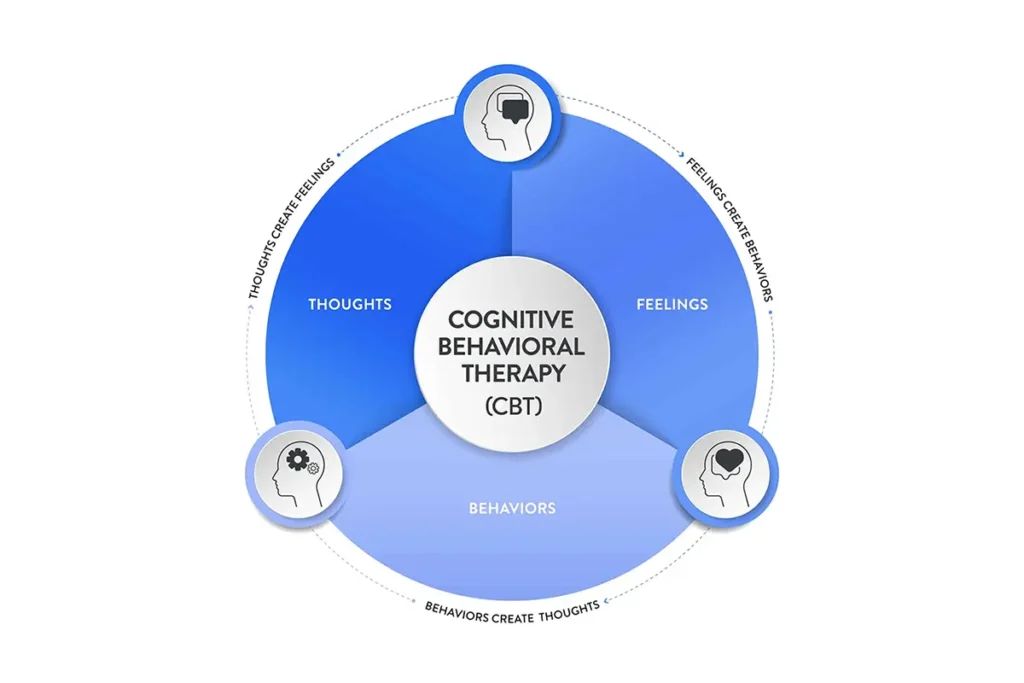
Mental health counseling is a professional service designed to help people manage emotions, cope with challenges, and improve overall well-being. Therapists use evidence-based approaches, such as cognitive-behavioral therapy (CBT), to help change unhelpful thoughts, behaviors, and emotional responses.
Counselors guide individuals in developing coping strategies, improving communication, building self-esteem, and making positive changes that support long-term mental health.
According to the National Institute of Mental Health (NIMH), psychotherapy can help people identify and change troubling emotions, thoughts, and behaviors, and cognitive behavioral therapy (CBT) is one type of psychotherapy used to address these concerns.
Why Is Counseling Important for Fear and Anxiety?
Counseling can provide professional guidance, practical coping strategies, and emotional support to help you better manage your fears and improve your overall well-being. Here are some reasons why counseling is so important.
1. Develop coping skills: Mental health professionals help you build and strengthen tools to manage stress, anxiety, and life’s challenges effectively.
2. Access specialized care: Some mental health challenges require professional support beyond self-help. Therapy, support groups, and medication prescribed and monitored by qualified healthcare professionals can provide guidance and treatment options to help you manage serious or long-term conditions.
3. You don’t have to go it alone: Fears, anxieties, and depression can be hard to handle by yourself. Seeking professional guidance gives you direction and support to start the recovery process.
4. Improve your ability to manage fear: Working with a counselor can help you reduce fears and negative thoughts, explore possible solutions, and support your overall well-being. With professional guidance, you can develop tools and confidence to manage life’s challenges more effectively.
5. Address problems early: When mental health concerns are left unaddressed, symptoms can sometimes become more difficult to manage. Seeking professional help early may provide guidance and support before problems interfere more significantly with daily life.
6. Support your overall health: Mental and physical health are closely connected and can influence one another. Poor mental health can affect sleep, daily functioning, and overall well-being. Seeking appropriate support can help you address mental health concerns and take better care of your overall health.
According to the Centers for Disease Control and Prevention (CDC), mental and physical health are closely connected and can influence overall well-being.
7. Restore balance: Mental health treatment can help people develop healthier ways to manage stress and life’s challenges. Counseling provides tools and techniques to support emotional well-being. With appropriate guidance, individuals can learn to handle difficulties more effectively and work toward maintaining their progress.
8. Boost self-esteem: Therapy can help you challenge negative thoughts, build self-compassion, recognize your personal strengths and values, and increase confidence. Working with a counselor can strengthen your sense of self-worth and encourage a more positive outlook on life.
9. Receive support in a safe space: A counselor can provide a supportive environment where you can discuss your concerns and work toward improving your mental health. Having someone who understands your situation can help you feel less alone when managing your fears.
10. Invest in yourself: Therapy can equip you with the tools and strategies to navigate life’s challenges and setbacks, fostering personal growth and self-improvement. It is a way to invest in your future and create a healthier and happier life.
Examples of Managing Fear in Real-Life Situations
Anxiety Is Starting to Interfere With Everyday Life
Fear or anxiety may begin interfering with your daily routine. You might struggle to concentrate, avoid activities you enjoy, or spend too much time worrying about everyday situations. When anxiety makes daily responsibilities difficult, consider talking with a qualified mental health professional. A counselor can help you understand your concerns and develop practical coping strategies. You can also talk with someone you trust about your experiences. Seeking support does not mean you cannot handle your problems. It means you are taking your concerns seriously and looking for additional ways to manage your fear and anxiety.
Self-Help Strategies Are Not Enough
You may have tried several self-help strategies to manage fear or anxiety but still feel overwhelmed. For example, relaxation techniques, exercise, positive thinking, or talking with friends may not provide enough relief. If these efforts are not helping, consider seeking professional support. You do not have to wait until your problems become more serious before asking for help. Counseling can complement the healthy coping strategies you are already using.
Fear or Anxiety Is Affecting Work, School, or Relationships
Fear or anxiety can affect important areas of life, including work, education, and relationships. You might struggle to concentrate, avoid school activities, or withdraw from friends and family. Consider identifying which responsibilities or relationships are being affected and what changes might help you manage these challenges. Taking practical steps to address these difficulties can help you maintain important areas of your life while working to manage your anxiety.
My Personal Experience
I eventually realized that I did not want to manage my fear and anxiety alone, so I decided to talk with a counselor.
During our conversations, I learned strategies and information that gave me a different perspective on managing my fears. I found this guidance helpful in dealing with what I was experiencing.
This experience taught me that reaching out for support and learning more about anxiety was helpful for me. I realized that I did not have to handle all of my fears by myself.
How This Fits the Managing Fear Framework
Many people try to manage fear by searching for a single solution. The Managing Fear Framework takes a broader approach by using multiple strategies and techniques at the same time to manage fear and anxiety. Using different techniques gives you more options for responding to fear and anxiety. Trying various strategies can help you discover what works best for your needs and make it easier to adjust when one approach isn’t helpful.
About Stan Popovich
Stan Popovich is the author of A Layman’s Guide to Managing Fear and has written extensively about fear, anxiety, and practical strategies for managing these challenges. He has more than 20 years of experience managing his own fears and has shared his work through 30+ TV and radio appearances and more than 100 newspaper and magazine publications.