How Can Setting Goals Improve Your Mental Health?
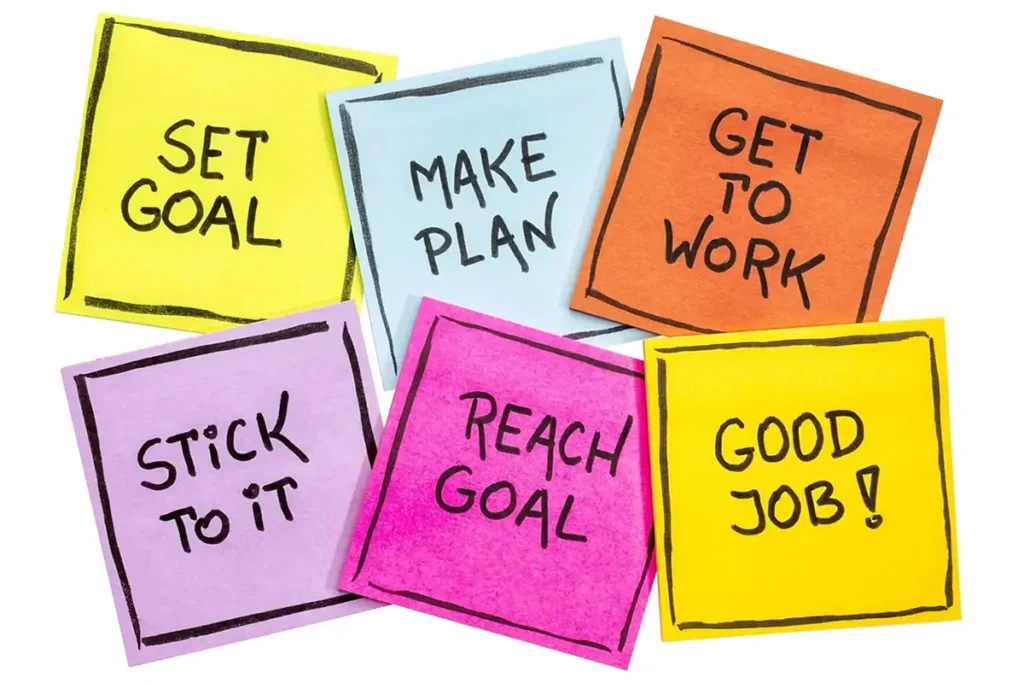
Setting realistic goals can improve mental health by creating structure, increasing confidence, reducing feelings of overwhelm, and giving you a sense of purpose. Breaking larger goals into smaller steps helps you make steady progress while building motivation and emotional resilience.
The American Psychological Association (APA) highlights the importance of setting clear goals and monitoring your progress. Creating specific, realistic goals can help provide direction, maintain motivation, and make it easier to track your achievements.
What Is Goal Setting and Why Is It Important for Mental Health?
Goal setting is deciding what you want to achieve and creating a realistic plan to get there. It helps you stay focused, motivated, and aware of your progress. Setting realistic goals can help you stay organized, maintain motivation, and develop a greater sense of personal control. Breaking goals into small, achievable steps can also help build confidence and support positive change.
Mental Health America explains that setting meaningful goals can help people build hope and motivation during mental health recovery. Breaking larger goals into smaller, manageable steps can also help people make progress toward their personal goals.
How Do Goals Help Reduce Stress and Improve Mental Health?
Goals give direction and purpose, helping you focus instead of feeling overwhelmed. They reduce fear and anxiety by giving your mind something productive to focus on, boost motivation, and build confidence. Even small milestones reinforce trust in yourself and encourage persistence.
What Are the Best Ways to Set and Achieve Your Goals?
While the goals you set are important, how you set your goals is critical to your success. Here are some goal-setting tips that can help you succeed:
1.Clarify your results: Take a close look at what you’re trying to achieve. Ask yourself if this goal is something you truly want and if it’s important enough to devote time and effort to. Get advice from your friends and family to see what they think.
2.Create SMART Goals: Once you know what you want to achieve, structure your goal using the SMART framework. This keeps your goal clear, realistic, and motivating:
- Specific: Define exactly what you want to accomplish. Knowing the details helps you recognize success.
- Measurable: Set criteria to track progress and know when you’ve achieved your goal, using numbers, milestones, or personal benchmarks.
- Attainable: Choose a goal you can realistically achieve with your time, skills, and resources.
- Relevant: Make sure your goal matters to you. Goals aligned with your values increase commitment.
- Time-bound: Set a reasonable deadline. Enough time reduces pressure while keeping you on track.
3.Write goals down: Write your goal down on a piece of paper to make it more concrete and easier to focus on. Putting your goal in writing gives you a clear reminder of what you want to accomplish and helps you track your progress as you work toward achieving it.
4.Visualize success: Imagine achieving your goal as if it’s already happened. Visualization uses your senses to make the experience feel real, helping your brain become familiar with success and boosting your confidence to reach it.
5.Create an action plan: Many people decide on a goal but do not create an action plan to determine how they will meet that goal. Your action plan should include the goal you’re trying to meet and all the steps you need to take to get there.
6.Start small: Begin with manageable goals to prevent feeling overwhelmed. Focus on one or two achievable steps first—this helps you gain confidence and motivation. Write your goal down to make it real and tangible, and remember that new goals may require learning skills or personal growth.
7.Use a timeline: As part of your action plan, use a timeline to help visualize roles, tasks, milestones, and deadlines to achieve your goal. Meet those tasks based on your timeline.
8.Develop skills: It is possible that a new goal will require learning a new skill or will require some form of personal growth. Figure out what new knowledge you will need, or what new skills you will have to develop. Find the best source for gaining this knowledge and invest wisely to develop the assets you need on your path to success.
9. Learn from mistakes: Making mistakes is part of the process of moving toward your goals. However, failing does not have to determine your overall success. You can reassess your plan and adjust it. Do not let the fear of failure or the disappointment you may experience prevent you from moving forward.
For more guidance, explore these practical strategies for overcoming fear of failure and setbacks.
10.Re-evaluate progress: Reviewing and evaluating your goals is a key aspect of the goal-setting process. It allows you to know your progress and make any necessary adjustments to stay aligned with your overall purpose and vision.
How Can You Stop Procrastinating When Anxiety Feels Overwhelming?
Anxiety can make even simple tasks feel overwhelming, leading to procrastination. Start by pausing and noticing your feelings without judgment. Take a few deep breaths, ground yourself in the present, and identify the smallest action you can take. Responding intentionally instead of reacting to fear helps you regain focus and take the first step.
Next, take manageable steps toward your goals. Break larger tasks into micro-tasks, set realistic deadlines, and track progress with a checklist. Completing even one small step builds momentum and reinforces your confidence, making it easier to keep moving forward.
Finally, build long-term habits that reduce procrastination. Reflect on progress, celebrate small wins, and adjust your approach as needed. Over time, consistent practice transforms anxiety into a signal to pause, plan, and act deliberately—boosting productivity, focus, and self-confidence.
How Can You Manage Anxiety About Achieving Your Goals?
Fear of failure can trigger real stress. “Try harder” advice often fails because it ignores how the brain reacts to perceived threats.
You can break your goal into small steps, rate challenges, track confidence-building actions, include skill checkpoints, and adjust overwhelming steps.
How Can You Build a New Routine Without Feeling Overwhelmed?
Starting a new routine can feel overwhelming. Noticing your anxiety without judgment and grounding yourself with slow breaths or focusing on your surroundings can help you stay centered. Begin with one or two manageable tasks, and visualize completing them, paying attention to how it feels to succeed.
Reflect afterward—even small wins, like finishing a single task or successfully visualizing your routine, build momentum and reinforce commitment. Over time, consistently taking these deliberate steps makes routines easier to follow and gives you a stronger sense of control over your progress.
My Personal Experience
I have lived with fear and anxiety for more than 20 years, and I have learned that setting realistic expectations makes challenging goals easier to manage. Expecting too much too quickly can create pressure, while allowing time to make progress helps me stay focused.
For example, when writing my book, I sometimes felt overwhelmed by everything I needed to accomplish. Instead of trying to finish everything at once, I broke the work into smaller goals and focused on one task at a time. As I completed each goal, I felt more organized and able to move forward.
This experience taught me that setting reasonable goals and working at a manageable pace helped me handle large projects without feeling overwhelmed.