The Importance of Getting Help for Fear and Anxiety

By: Stan Popovich
Why Is Getting Help for Your Anxiety Important?
Getting help for your anxiety is important because professional support can help you manage stress, anxiety, depression, and other challenges before they become more overwhelming. A counselor or mental health professional can provide guidance, coping strategies, and a safe space to understand your thoughts and emotions.
Taking care of your mental health is just as important as taking care of your physical health.
Getting help early can prevent challenges from becoming more overwhelming and help you regain balance in your life.
What Is Mental Health Counseling?
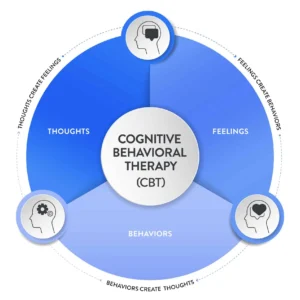
Mental health counseling is a professional service designed to help people manage emotions, cope with challenges, and improve overall well-being. Therapists use evidence-based approaches, such as cognitive-behavioral therapy (CBT), to help change unhelpful thoughts, behaviors, and emotional responses.
Counselors guide individuals in developing coping strategies, improving communication, building self-esteem, and making positive changes that support long-term mental health.
Why Is Mental Health Counseling Important?
1. Develop coping skills: Mental health professionals help you build and strengthen tools to manage stress, anxiety, and life’s challenges effectively.
2. Access specialized care: Some mental health challenges require professional support beyond self-help. Therapy, medication management, and counseling groups provide guidance, tools, and expertise to help you navigate and recover from serious or long-term conditions.
3. You don’t have to go it alone: Fears, anxieties, and depression can be hard to handle by yourself. Seeking professional guidance gives you direction and support to start the recovery process.
4. You will get better: Working with a counselor can help reduce your fears and negative thoughts, guide you toward solutions, and support your overall well-being. With professional guidance, you’ll gain the tools and confidence to feel better and manage life’s challenges more effectively.
5. Prevent escalation: If left unattended, mental health problems typically deteriorate with time. Early treatment can prevent such outcomes and keep people from reaching a situation where things get out of control.
6. Enhance overall health: Poor mental health is linked to various medical issues, including poor sleep, obesity, digestive problems, and other illnesses. Seeking help minimizes the risk of developing other health conditions, which can make things much worse.
7. Restore balance: Mental health treatment brings about balance in people’s lives and recovery. Counseling provides tools and techniques to manage stress effectively A person with the proper help is then enabled to handle their problems without relapsing.
8. Boost self-esteem: Therapy can help you challenge negative thoughts, build self-compassion, increase values, and increase confidence. Working with a counselor can strengthen your sense of self-worth and encourage a more positive outlook on life.
9. Receive support in a safe space: You will have people in your corner who will be able to help improve your mental health issues. You won’t feel alone when managing your fears. Being with supportive people who understand your situation makes things easier.
10. Invest in yourself: Therapy can equip you with the tools and strategies to navigate life’s challenges and setbacks, fostering personal growth and self-improvement. It is a way to invest in your future and create a healthier and happier life.
How Can You Take Small Steps When Facing Major Life Decisions?
Facing a major life decision—like changing careers, moving, or ending a relationship—can leave you anxious, uncertain, or stuck. Notice these feelings without judgment, and ground yourself with slow, steady breaths or by focusing on your surroundings.
Take one small step: Identify a practical strategy to manage stress—list options, weigh pros and cons, or create a simple action plan. Pair this with boosting your self-esteem—remind yourself of past successes or write a positive statement about your capability.
Reflect afterward: Even tiny actions—considering one option or affirming your ability—help reduce fear, increase confidence, and build momentum. Consistent practice empowers you to face major decisions with clarity, resilience, and self-trust.
Why Does Getting Mental Health Help Matter?
Professional support is essential for managing fear, anxiety, and stress. Counseling provides guidance, practical strategies, and a safe space to work through challenges—helping you build coping skills, gain perspective, and strengthen resilience.
A counselor selection checklist can make choosing a therapist easier: consider specialty, credentials, therapy approach, availability, cost, and insurance coverage. Most importantly, trust your comfort level—do you feel heard and safe? Evaluate communication and responsiveness; this checklist helps you find a counselor who supports your mental health effectively and reduces overwhelm.
What Small Strategies Can Help Manage Anxiety?
When anxiety or stress arises, practical strategies can help. Mindful breathing—taking a few deep breaths—brings attention to the present moment and calms racing thoughts. Breaking tasks into small, manageable steps reduces overwhelm and builds confidence. Using positive self-talk, such as reminding yourself of past successes, strengthens self-esteem and resilience. Practicing these strategies consistently allows you to respond to challenges with greater clarity and calm.
How Can You Apply These Mental Health Strategies in Real Life?
These strategies work in everyday situations. For example, attending a social event may feel stressful, but mindful breathing, taking small steps, and positive self-talk can help someone participate without panic and build confidence. At work, facing a tight deadline is easier when tasks are broken into smaller steps, brief mindful breaks are taken, and positive self-talk is used. Consistently applying these techniques helps reduce stress, maintain focus, and strengthen long-term resilience.
How This Fits the Managing Fear Framework
Many people try to manage fear by searching for a single solution, but fear can appear in different situations and may require different approaches. The Managing Fear Framework combines multiple strategies and techniques to help individuals explore different tools, discover what works best for their situation, and develop a more flexible way to respond to fear.
A Layman’s Guide to Managing Fear expands on this framework by providing practical strategies and tools to help readers understand fear, develop coping skills, and build confidence in handling challenging situations.
Whether you experience occasional fears or recurring anxiety, having a variety of approaches available can help you feel more prepared and better equipped when fear returns.